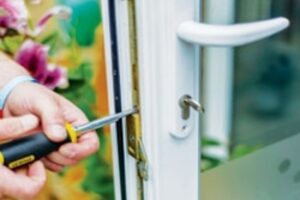
We've Had Enough! 15 Things About Replacement Locks For Patio Doors We're Sick Of Hearing


Replacement Locks For Patio Doors at Lowe's
Replacing the patio door lock is an easy and effective way to enhance the security of your home. However, it is essential to perform routine maintenance and install the lock properly.
It is important to know what kind of patio door lock that you have in order to replace it successfully. You can identify the type by observing the size of the screw hole and end face plate type.
Identifying the lock you currently have
It is important to understand the distinctions between various types of locks before deciding to purchase new hardware for your lock. This will allow you to locate a replacement suitable for your home and also ensure its safety and security.
The most well-known type of lock is the cylinder lock, also referred to as a pin and tumbler lock. This style of lock uses the bottom pins, top pins and springs to keep the key hole and plug in place. Cylinder locks come in different sizes. It is essential to measure the length and width of the cylinder you have before buying a new one.
To determine the width to determine the width, loosen the screws that keep the cylinder in place and slowly pull it out. Then, you can measure the distance in millimeters that lies between the outer edge and the inside of the cylinder. You can then check this number against the measurements of the new lock you're planning on buy. This will ensure that the new lock is the correct size and fits into the hole in the door lock.
Another method to determine the proper size of your lock is to test it using the help of a key. If the key slides easily into the cylinder it's the same size as the rekey kit you require. If the key will not slide into the cylinder, your cylinder could have a different keyway and thus cannot be rekeyed in a way that it will accept the key of that brand.
It is always best to read the instructions from the manufacturer that come with a rekey kit, as each type of lock comes with its own set of installation requirements. It is recommended to take the time to test the new lock after installing it to make sure that it works well and gives you maximum security. It is also important to pay attention to any additional features the new lock might have, as they can affect how easy it is to operate.
Take a measurement of the Width
A patio door lock that's not working correctly could lead to serious security issues. It is crucial to regularly check your locks and replace them as necessary. This will ensure that they're functioning properly and are secure. It could be a good idea to avoid problems such as a broken latch or keyway. If your current locks are worn or damaged, you can find replacements at Lowe's that will provide the security you require for your home.
Before you purchase a new patio door lock, it's essential to determine the dimensions of your existing one. This will give you an idea of the size you should buy and avoid the risk of buying a lock that doesn't fit. You'll need two measurements in order to do this that are the backset and the depth of the case. The first refers to the distance between the edge of the lock's face to the centre of the round hole through which the handle spindle passes through and the latter refers to the depth of the body of the lock that is visible from the outside of the door.
When deciding on the kind of lock to choose, it's important to think about how you will be using your doors. For instance, if your sliding doors open horizontally, you'll need to choose the top and bottom tab style lock that is able to engage with the strike plate, which prevents the door from being lifted or forced open. If your patio doors are vertically open, you'll have to select mortise latches that have a spring loaded hook latch for extra security.
When determining the dimensions of your current lock, it's essential to note the position of the screw holes. Some mortise locks come with round screws, while others use square screws. repairmywindowsanddoors 'll also need to know the positioning of the keyway. Some locks have a vertical keyway, while others are 45-degree angled. It is a good idea to take a picture of the lock you have in place using your digital camera prior to attempting to remove it so that you can ensure you get the right replacement.
After you've gotten your measurements, it's now time to search for the best patio door lock. There are a variety of high-quality products online with a variety of branded options with advanced security features to protect your home. It is important to compare locks and read reviews prior to you purchase. Be sure to keep your locks clean to avoid dirt and debris that could cause problems for your doors.
Be aware of the screw holes
Patio doors play a vital part in protecting your home and should be examined for signs of wear and tear to ensure they're operating properly. As time passes, your locks and spindle that connects the interior and exterior handles will need to be replaced. A strong lock will not only help stop unwanted entry, but it will also increase energy efficiency, security and security.
If you aren't sure of the specific type of lock your patio door has there are a number of options to narrow down your search for an alternative. First, try to identify the type of keyway it is using. Rectangular mortise locks that are cutouts are usually used in aluminum patio doors, while E2126 and E2079 locks sit in a recess within the frame of vinyl or wood patio doors. If you own an electronic camera, uploading a photograph of the lock may aid in determining the type it is.
Another way to determine the kind of lock you have is to examine the screw holes. The majority of sliding patio door locks have screw holes that are aligned with the latch keeper on the side jamb, however they're not always the same. For example, some screws are longer than others and could have a different threaded end. Some screws also come with washers or a hex nut attached to them, which can affect the way they fit into the lock's hasp.
Once you've identified the kind of lock your house is secured with, you can begin making plans to replace it. First, you'll want to clean the lock with a damp cloth or brush to get rid of any dirt or debris that might be impeding its operation. Once the lock is clean and dry, you can apply a silicone-based grease to keep it in good shape and quiet.
In the future, it's a good idea to replace the old screws with more long ones. This will help you to gain an improved grip, and also install the lock with less effort. Once you've done that, it's a good idea to test the handle and observe how the latch hasp engages in the lock.
If the hasp does not engage it is possible to put a washer or hex-nut behind it to make it catch more of the lip of the door. You can even add a shim to one side of the lock keeper that is on the jamb to see if it can help.
Check the Lock Snib
The snib, also known as the lock mechanism, is located in the handle of the door. The snib can be disengaged and engaged to open or close your patio doors and is the first thing to look at if your locks aren't operating properly. You can also check the keepers located at the top and bottom door frames to see if there is any misalignment or looseness that could cause them to break. Make sure that your snib is seated properly and that the lock isn't jammed or otherwise blocked in any way.
The most common patio doors locks are mortise locks made of steel that protect sliding glass doors. They're installed into the door frame and are available in a variety of styles, making them an effective security measure. Some are designed to hold keys while others feature an oval cutout that makes it simple to lock and unlock.
A thumb-screw style step-on lock is another option that is popular. It keeps your sliding door in place without having to turn the knob. These locks are usually found on older metal-framed patio doors, but can be a great choice for securing wood- or vinyl-framed sliding doors as well.
When you're examining your current patio door lock, make a note of the kind and size of screw holes it uses to mount the escutcheon plate as well as the lock body. This will allow you to pick a lock that has the appropriate screw holes. It's a good idea to check your strike plate to make sure that it's secured properly.
If you own Jason Windows boltlock slider doors between 2000 and 2009, ensure that the screws holding the door in place and aren't loose or missing. The screws hold the snib at a partially opened "vent" position, which allows airflow, but also encourage security, and are important to stop your lock from shearing. It is also a good idea that all locks be regularly inspected and cleaned often to prevent debris, dirt and corrosion from obstructing the operation the lock.
If your snib is damaged, you may be able to replace the entire strikeplate and snib. If your snib just needs to be aligned you can fix it by removing the strikeplate using a an abrasive blade and backing out the adjustment screws (located below and above the screw). Then, you'll be required to move the strikeplate upwards or down until the engagement tongue is in line with the Milgard logo.